


Understanding the culture changes everything regarding your German experience as a tourist. The people, the real texture of daily German life, open up only when you understand what the culture actually values.
German people are not cold. They are just very structured and have high expectations of the people around them because they hold themselves to the same standards. Show up on time, communicate honestly, respect shared spaces, and the reserve that tourists mistake for unfriendliness dissolves faster than most expect.
Punctuality is Not Strictness its Social Standard
In German social etiquette, punctuality is a key indicator of your social skills. German punctuality is a thing not only for business appointments but also for friends’ gatherings. If you are five minutes late, it is considered a late arrival. Arriving late to a dinner, meeting, or casual catch-up tells Germans one thing: you did not respect their time enough to plan properly.
Early arrival at German gatherings is acceptable and on time is ideal. If something genuinely goes wrong, call ahead. Germans find the absence of communication more offensive than the lateness itself.
Tip: If you are invited to a group gathering and the host says “come any time after 9 pm,” coming at 9:00, 10:00, or even 10:30 is perfectly fine. In fact, shy or awkward people will usually show up 30-60 min late to a party just not to be the only one there.
Greet and Meet in German Style
Germans take greetings very seriously. Handshake firmly, make direct eye contact, address people respectfully, and use a formal brief. No hugging acquaintances, no cheek kisses with people you just met.
Germans address you with the last name, Herr or Frau, followed by the family name until someone explicitly invites first-name use. Using first names without that invitation reads as presumptuous rather than friendly.
German small talk is very fact-based, like
- The current weather, including the temperature and the forecast for the upcoming week
- The number of people living in your town and any other place you’re referencing
- The exact size of your apartment in square meters and the number of rooms (excluding bathrooms and kitchen)
- The amount you pay for rent (cold meaning excluding utilities and warm including utilities)
- If you own a car, any numbers on that: horsepower, mileage.
Direct Communication is Honesty
When a German tells you your proposal needs work, they are not being harsh. They are giving you useful information instead of comforting reassurance. In German culture, directness is a matter of social etiquette rather than rudeness; even when you need help from passersby, you need to ask directly.
The usual hedging, the softening, the “it is really good but perhaps you might consider” approach that works well in other cultures reads as evasive and insincere in the German context.
Expect honest answers to direct questions. Ask a German what they think and you will find out. This is a cultural feature rather than a personality flaw.
Cultural Attire Should be Worn with Respect
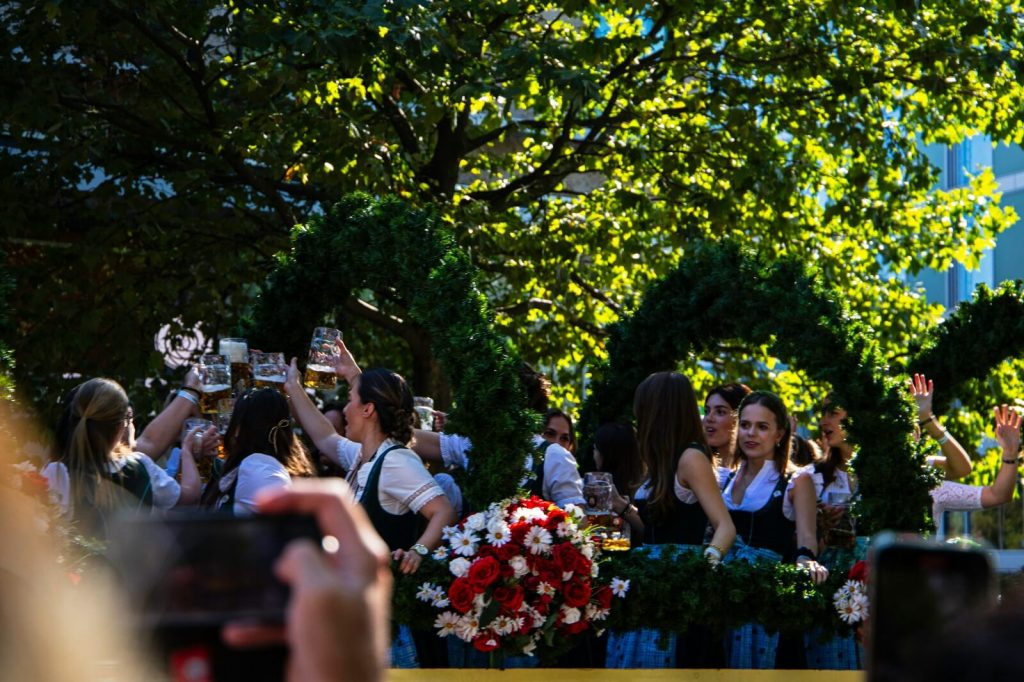
Germans take traditional clothing seriously. Men’s Lederhosen and German dirndls are not costumes worn for tourist photographs, as some brands potray with their cartoonish designs. They are living cultural dresses worn by Bavarians to weddings, village festivals, Oktoberfest, and church events across generations. When you are in Bavaria and attending any traditional festival or formal community event, dressing in traditional attire is one of the most direct ways to demonstrate cultural respect. Wearing Bavarian Tracht on a general sightseeing tour through Hamburg or Berlin attracts puzzled looks.
Only Wear Authentic Tracht To Signal Cultural Respect
The difference between authentic Tracht and costume versions carries serious social weight. Cheap polyester dirndls and printed-leather lederhosen mark you as a cultural tourist who didn’t bother researching. Germans spot costume versions instantly. The costume versions of tracht are heavily criticized by the locals.
If you are a long-term Bavaria resident planning regular festival participation, you should eventually invest in an authentic tracht. The purchase represents more than clothing, it is a public declaration of cultural commitment
Tip: If you are attending Oktoberfest, invest in popular tracht brands like Oktoberfest Wear, Lederhosen Store, or Bavarian Trachten. An authentic tracht is significantly better socially than a costume version. Cheap polyester lederhosen or one-piece printed dirndl dresses from online party retailers read as mockery rather than participation.

Dining Etiquette and the Billing Culture
Dining etiquette in Germany is something that needs to be taken care of. Wherever you came from, their culture is theirs in Germany, you strictly follow the German dining rules.
Splitting Bills and Tipping Correctly
Germans split bills by default. Tell your server about the number of bills at the time of ordering. In German, “Getrennt” means “separate,” and “zusammen” means “together use these phrases to brief about the billing.
Tipping in Germany works differently from what many visitors expect. State the total amount you want to pay when handing over money rather than leaving coins. Pay roughly 10 percent of the total bill for good service.
The Eye Contact Rule at the Table
When someone raises a glass for Prost, look people in the eye as you clink glasses. Looking away while clinking supposedly brings seven years of bad luck, and Bavarians take this with genuine seriousness. The glass bottom taps the table before drinking in many traditional contexts.
Visiting Someone’s Home
Bring something when invited to a German home, such as wine, flowers in odd numbers, or chocolates. Never bring red roses, unless it’s a romantic date, and never bring chrysanthemums, which are for funerals. Empty hands at a dinner invitation register as taking hospitality for granted.

Sunday in Germany Is Protected
Shops Close and Quiet Rules Apply
Sunday in Germany is legally quiet. The Ladenschlussgesetz, Germany’s shop-closing laws, keeps retail stores closed on Sundays across the country. Pharmacies and petrol stations stay open for genuine emergencies. Everything else operates on the assumption that Sunday belongs to rest rather than commerce.
Tip: Plan Sunday provisions on Saturday. The visitors running empty on Sunday are almost always people who assumed German Sundays work like Saturdays.
Ruhezeit: Germany’s Quiet Hours
Quiet hours apply from 10 pm to 7 am on weekdays and throughout Sunday. No drilling, no loud music, no washing machines running at midnight. This is not noise sensitivity, but it is a community expectation backed by building rules and potential fines. Violating Ruhezeit in a shared apartment building quickly generates complaints from neighbors.
Jaywalking and Transport Etiquette
Crossing on a red pedestrian signal bothers Germans even when no cars are present. The rule exists within a system of mutual trust, and breaking it, especially in front of children, disrupts that system.
Public transport in Dutch land runs quietly. Phone calls are kept brief, and music stays in headphones. Loud conversations in public transport outside festival contexts attract visible disapproval. The same personal-space ethic that applies to shared residential buildings applies here, too.
Attempting the German Language Opens Doors
Most younger Germans in major cities speak English well. You will not struggle in Berlin, Munich, or Hamburg. But attempting German first, even badly, demonstrates something borrowed fluency does not: that you treated their language as worth trying rather than as a fallback someone else would provide.
“Sprechen Sie Englisch?” before switching is appreciated.
Conclusion
The German societal rules are not bureaucratic obsessions. They are how 84 million people living in Germany maintain a functional, trusting society. Germans apply these standards to themselves first. The expectation that visitors will engage with them is the same expectation Germans hold for each other. Being a tourist, be very vigilant and avoid anything that disrespects the culture. There’s a debate circulating on the internet regarding cultural appropriation as well, so for clothing, go to authentic German dirndl brands like Dirndl Online Shop and Dirndl. Com who never compromise on cultural values and protect you from Bavarian frowns even as a first time tourist visiting the country.
